Posted on 21st February 2024 by Paul King
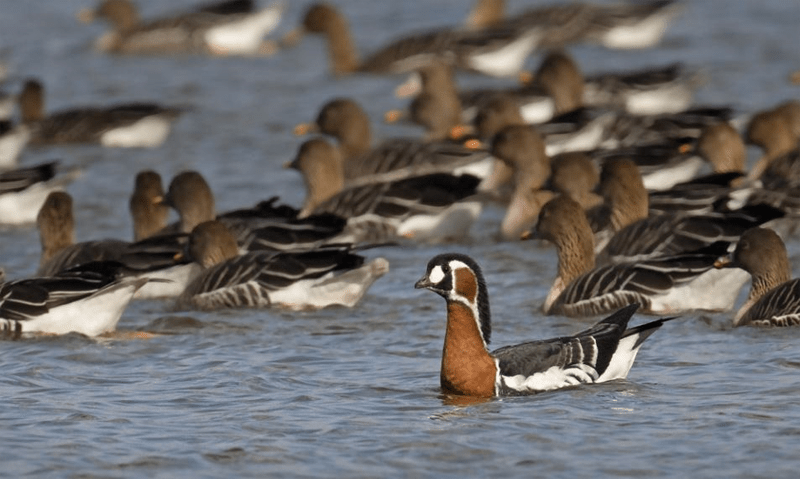
How common is it for a plane to hit a bird? Surprisingly, it happens more often than most people think. Every year, airports around the world report approximately 21,000 bird strikes—which averages out to 50 to 60 incidents every single day. While that might sound alarming, the good news is that these events rarely lead to serious consequences.
In fact, over the past 31 years, bird and wildlife strikes have resulted in just 292 fatalities worldwide. That’s an average of only 9 deaths per year. To put this into perspective, 34.4 million people flew in 2023 alone, meaning the chance of a fatal bird strike is extremely small.

Commercial airplanes are built to handle tough conditions. They’re made from reinforced metal alloys designed to withstand wind shear, turbulence, and more. However, there are still several vulnerable parts of an aircraft that can be affected by a bird strike—especially engines, propellers, sensors, flight control surfaces, and windshields.
Windscreens are particularly sensitive. If a bird strikes the cockpit at high speed, it can cause significant damage or even injure the pilot. Even small birds can pose a danger at the wrong time—especially during takeoff or landing, when aircraft are low and moving quickly.
Thankfully, serious accidents from bird strikes are very rare. In most cases, the aircraft remains safe, and the bird suffers the greater impact. Still, reducing these incidents is important for improving overall flight safety.
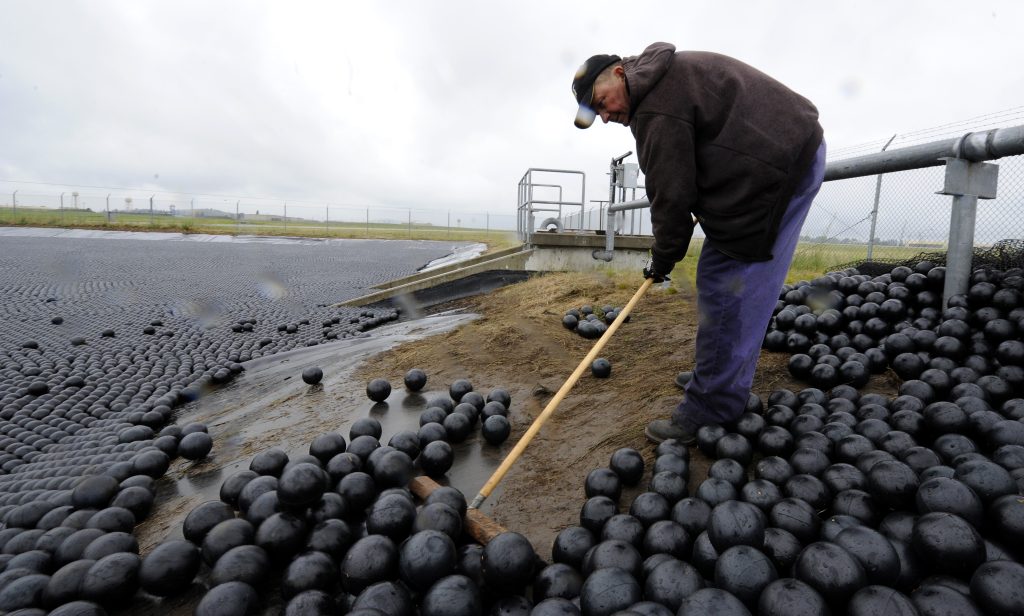
As mentioned earlier, bird strikes occur daily, especially near airports. Birds tend to gather around open bodies of water, which attract them for feeding and nesting. Because takeoff and landing are the most critical phases of flight, airports must find ways to prevent birds from entering these zones.
One effective solution is the use of Shade Balls—black, floating plastic spheres that cover open water and prevent birds from spotting or landing on it. Once deployed, they act as camouflage, making the water unappealing and removing the main attraction for birds.
Best of all, Shade Balls are maintenance-free, require no energy or upkeep, and last for years. London Heathrow implemented this solution in 2004, and the results speak for themselves. Bird strikes in affected areas have dropped significantly, helping keep planes—and passengers—safer.
Want more information?
Visit www.euro-matic.co.uk/cover-shade-balls or email us at info@euro-matic.co.uk for expert advice on bird strike prevention.